Why Separation Matters in Bowl Delivery
The art of bowl-based meals lies in the careful arrangement of diverse ingredients, each contributing unique flavors, textures, and nutritional benefits to the overall dish. When these ingredients mix prematurely during delivery, the carefully crafted experience can be significantly diminished. Understanding ingredient separation is essential for anyone interested in the logistics of food delivery and the preservation of culinary quality during transport.
Ingredient separation in bowl delivery encompasses a range of techniques, container designs, and handling practices all working together to maintain the integrity of each component from kitchen to consumer. This comprehensive guide explores the various aspects of ingredient separation, from the science behind why certain foods should remain separated to the practical solutions employed by food service providers.
The Science of Food Separation
Understanding why ingredients should remain separated requires knowledge of food science principles. Different foods have varying water content, acidity levels, and texture profiles. When these components interact, several reactions can occur that affect the quality of the meal.
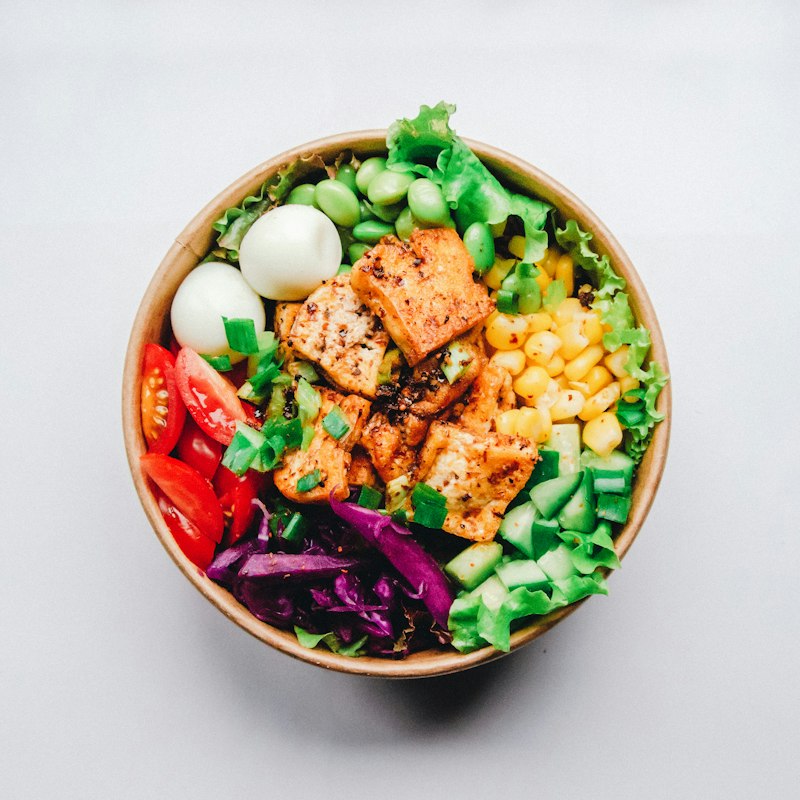
Moisture migration is one of the primary concerns in bowl delivery. Ingredients with high water content, such as fresh tomatoes, cucumbers, or dressed greens, can release moisture during transport. This moisture can migrate to drier ingredients like croutons, crispy proteins, or crunchy toppings, causing them to lose their appealing texture and become soggy or unappetizing.
Similarly, temperature differences between ingredients can accelerate quality degradation. Warm proteins placed in contact with cold vegetables can create condensation, while cold ingredients near hot components may wilt or lose their crispness. Proper separation helps maintain optimal conditions for each ingredient type.